


25 September 2026, Motihari, Bihar
As part of the ongoing Swachhata Hi Seva (SHS)–2026 campaign, ICAR–Mahatma Gandhi Integrated Farming Research Institute, Motihari organized a Water-Body Cleaning Activity to promote cleanliness, environmental sustainability, Jan Bhagidari and responsible management of local water resources. The programme was organized under the overall guidance of Dr. Raghavendra Singh, Director, ICAR-MGIFRI, and coordinated by Dr. Pratap M.G., Nodal Officer, Swachhata Hi Seva–2026. Scientists, technical personnel, staff and other institute personnel actively participated in the cleanliness activity.
The initiative focused on improving the cleanliness and hygienic condition of an identified water body and its surrounding area. Participants actively engaged in the removal of accumulated weeds, grasses, excessive aquatic vegetation, organic debris and other unwanted materials from different portions of the water body. The adjoining area was also cleaned to improve the overall environment and minimize further accumulation of waste and unwanted vegetation.
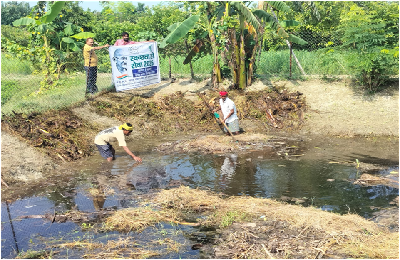
The activity highlighted the importance of the regular cleaning and sustainable management of ponds and other water bodies, particularly in rural areas. Participants were sensitized to the need to prevent indiscriminate disposal of solid waste and other unwanted materials into aquatic ecosystems. The programme also emphasized that clean and well-managed water bodies have important ecological and livelihood functions and contribute to environmental quality, biodiversity conservation, water-resource management and healthier rural surroundings.
Addressing the participants, Dr Raghavendra Singh, Director, ICAR-MGIFRI, emphasized that water bodies are valuable natural resources and an integral component of rural and agricultural ecosystems. He highlighted that their conservation should go beyond periodic cleaning and include responsible use, prevention of pollution, protection of the surrounding environment and sustainable management. He encouraged institute personnel and communities to collectively safeguard ponds and other local water resources for their long-term ecological and livelihood benefits.
The importance of Swachhata Hi Seva extends beyond maintaining cleanliness within institutional premises and calls for sustained participation in preserving community spaces and natural resources. Emphasis was placed on Jan Bhagidari, behavioural change, and individual responsibility as key factors in achieving lasting cleanliness. Participants were encouraged to translate the campaign’s message into regular practices and motivate others to contribute towards maintaining clean surroundings and protecting water resources.
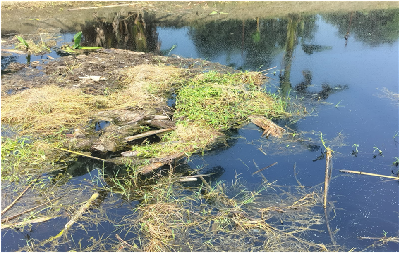
The activity reinforced the Jan Bhagidari component of Swachhata Hi Seva by demonstrating that cleanliness and environmental protection require collective responsibility, regular upkeep and sustained awareness. The field-level participation of institute personnel also conveyed the message that conservation of natural resources must be supported through visible and continuous action.
The initiative complemented the broader objectives of Swachhata Hi Seva–2026, particularly clean surroundings, responsible waste management, environmental conservation and sustainable use of natural resources. It also demonstrated that cleanliness efforts should extend beyond offices and institutional premises to farms, community spaces, ponds and the wider rural environment.
Through the Water-Body Cleaning Activity, ICAR-MGIFRI reaffirmed its commitment to cleanliness, environmental stewardship and sustainable management of natural resources. The programme concluded with a collective call for sustained public participation towards achieving the vision of “Swachhata Mein Sahbhag – Swachh Bharat, Viksit Bharat” and building cleaner, healthier and environmentally sustainable rural communities.
(Source: ICAR–Mahatma Gandhi Integrated Farming Research Institute, Motihari, Bihar)



Like on Facebook
Subscribe on Youtube
Follow on X X
Like on instagram