


Towards a Clean, Healthy and Sustainable India” at village Kainchiwala, block Sahaspur
23 September 2026, Dehradun
an awareness programme on the theme “Cleanliness and Public Participation: Towards a Clean, Healthy and Sustainable India” was organized by the Plant Science Division, ICAR–Indian Institute of Soil & Water Conservation, Dehradun, at Village Kainchiwala, Dehradun.
The objective of the programme was to create awareness among the rural community, particularly farmers, about cleanliness, waste management, the productive utilization of organic waste, minimization of plastic use, and environmental conservation.
While highlighting the importance of “Swachhta Hi Seva”, the programme focused on engaging participating women and men farmers in discussions on cleanliness, waste management, and environmental conservation.
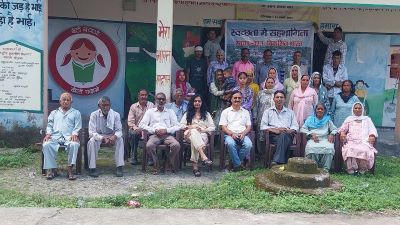
Addressing the programme, the speakers emphasized that cleanliness is a collective responsibility and highlighted the need for proper segregation of waste at its source. Through the message “Not Two, But Four”, the importance of effective waste segregation and preparation of compost from organic waste was emphasized. Proper waste management was highlighted as being directly linked with the conservation of soil, water, and the environment.
The importance of scientific management of organic waste and composting was also highlighted. Participants were encouraged to prepare compost from leaves, plant residues, and other organic materials and utilize it in agriculture and green areas. They were also advised to minimize the use of single-use plastics and adopt the principles of Reduce, Reuse and Recycle (3R) in their daily lives.
The role of public participation in cleanliness and environmental conservation was emphasized through the concept of Repair, Reuse, Redistribution and Recycling (RRR). The need to promote the reuse and redistribution of useful items, along with continuous involvement of rural communities in cleanliness and environmental conservation activities, was also stressed.
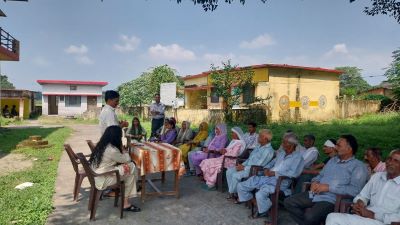
The participants were provided with practical information on the proper management of domestic and agricultural residues, composting, waste segregation, and measures to reduce the use of plastic. They were motivated to make cleanliness and environmental conservation an integral part of their daily lives with the message, “Cleanliness to Greener Surroundings and Greener Surroundings to Environmental Sustainability.”
A total of 50 farmers participated in the programme, comprising 18 women and 32 men. The farmers and other participants pledged to properly segregate waste, reduce the use of plastic, promote reuse and recycling, and keep the village and public places clean and green.
(Source: ICAR–Indian Institute of Soil & Water Conservation, Dehradun)



Like on Facebook
Subscribe on Youtube
Follow on X X
Like on instagram