


7-9 October 2026, Chennai
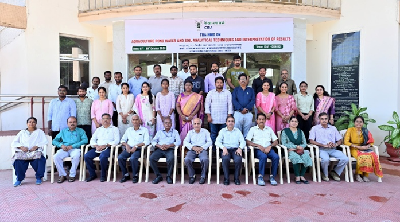
ICAR–Central Institute of Brackishwater Aquaculture, Chennai, organised a three-day hands-on training on “Aquaculture Pond Water and Soil Analytical Techniques and Interpretation of Results” during 7-9 October, 2026 for 19 participants representing MPEDA, farmers, technical personnel, startup representatives, engineers and scholars from Tamil Nadu, Andhra Pradesh and Kerala.
The approach for the training was ‘learning-by-doing mode’ to equip the participants with practical skills in water and soil analysis, customised interpretation of analytical results, and adoption of appropriate management practices for maintaining key water and soil quality parameters for sustainable and profitable aquaculture.
During the training programme, participants learned about the important parameters for selecting suitable sites for aquaculture, key soil and water quality parameters to be monitored during the culture cycle, and the role of microbes in pond health management. They were also trained in soil and water sampling methodologies and gained an understanding of the importance of diurnal variations in water quality parameters. In addition, the participants were sensitised to the impacts of El Niño on aquaculture and the precautionary measures to be adopted to minimise its effects.
Dr M. Kailasam, Director, ICAR-CIBA, inaugurated the training programme emphasized the importance of pond health management and diversification of aquaculture species based on the quality of source water.
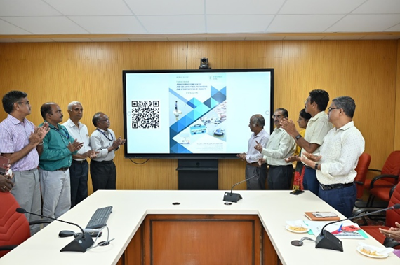
Dr C. Gopal, Former Director, ICAR-CIBA and Former Member Secretary, Coastal Aquaculture Authority, Govt. of India participated as the Chief Guest and delivered the inaugural address. He highlighted the importance of redox potential in pond health management and appreciated the farmer-oriented technologies developed by ICAR-CIBA. The training manual was digitally released by the dignitaries during the inaugural programme.
The welcome address highlighted the importance of monitoring soil and water quality parameters and adopting appropriate management practices.
The training module highlighted the importance of proper interpretation of analytical results for effective aquaculture management, particularly at the farmer level.
During the concluding session, the trainee participants emphasized the relevance of this training to their professional requirements and stated that the knowledge and skills acquired would be applied in their respective field activities to support sustainable aquaculture development and provide appropriate technical guidance to farmers.
(Source: ICAR–Central Institute of Brackishwater Aquaculture, Chennai)



Like on Facebook
Subscribe on Youtube
Follow on X X
Like on instagram